Fall Cleanup
What Fall Cleanup Actually Involves in San Antonio
Macario Brothers Lawn Care • October 2026 • San Antonio, TX • 7 min read
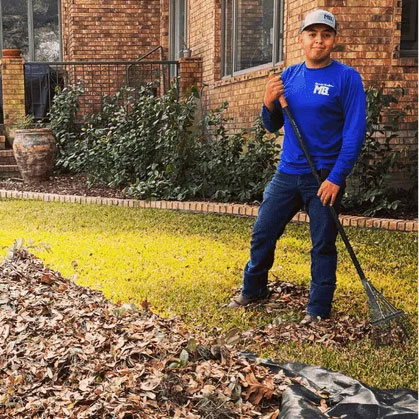
Short Answer: Fall cleanup in San Antonio is a different job than it is in most of the country, and the main reason is that live oaks, which shade a huge share of local yards, do not drop in fall at all. They hold their leaves and shed them in late winter and early spring. What comes down here in October and November is cedar elm, pecan, Arizona ash, Chinese tallow, and crape myrtle. The work is also spread across a longer, gentler season rather than concentrated into a few frantic weeks.
Almost every fall lawn care article you will find is written for someone in Ohio. Rake the leaves before the snow, get it done by Thanksgiving, do not let the lawn smother over winter. Around here, most of that advice describes a yard that does not exist.
San Antonio has its own fall rhythm, and once you understand which of your trees drop when, the whole season makes more sense. Here is what fall cleanup actually means on a San Antonio property.
Your Live Oaks Are Not Going to Cooperate
This is the fact that surprises people who moved here from somewhere with real autumn, and it explains a lot of confusion about timing.
Live oaks are semi evergreen. They hold their leaves through fall and winter, staying green while everything in the rest of the country goes bare. Then, in late winter and early spring, they drop their old leaves as new growth pushes out.
So the single largest leaf producer on most San Antonio properties makes its mess in February and March, not October. Homeowners who schedule one big fall cleanup and consider the year finished are frequently caught off guard when their yard fills with leaves right as everyone else's is greening up.
Live oaks also drop catkins, the stringy tassels that come down in spring alongside the leaves and get into gutters, pool filters, and everything else. That is a spring cleanup item too.
Knowing this changes how you plan. A property dominated by live oaks needs a significant cleanup in late winter, and its fall work is comparatively light.
What Actually Drops in the Fall Here
Plenty comes down, just from different species and on a longer timeline than a northern fall.
Cedar elm is one of the most common deciduous trees across San Antonio and it drops small leaves through late fall. They are fine textured and they work their way down into turf and beds rather than sitting on top.
Pecans are the big producers on properties that have them. They drop leaves, and they drop husks and nuts, and the combination is genuinely messy. Pecan drop tends to run from mid fall into early winter.
Arizona ash, common in older neighborhoods, drops in fall and can come down quickly once it starts. Chinese tallow produces some of the only real fall color we get, along with a substantial leaf drop and seeds that sprout enthusiastically wherever they land.
Crape myrtles drop late, often well into December, and they drop seed capsules along with the leaves. Ligustrum and other broadleaf evergreens shed some older foliage through the season as well, which surprises people who expect evergreens to stay tidy.
The pattern across all of them is that our drop is staggered and extended rather than concentrated. Rather than a three week frenzy, San Antonio gets a slow accumulation from October into December.
Why the Stakes Are Lower Here
It is worth being honest that leaves on a San Antonio lawn are less dangerous than leaves on a lawn in Michigan, and the reason is snow.
In cold climates, a leaf layer gets compressed under months of snow cover, which creates the conditions for snow mold and other winter diseases. That is why northern cleanup has a hard deadline and real consequences.
We do not have that. Our winters are mild, snow is rare and brief, and a leaf layer here does not sit under a frozen blanket for four months.
That said, leaves still matter. A thick layer blocks light and traps moisture, and our warm season grasses, mainly St. Augustine, Bermuda, and zoysia, are moving toward dormancy and building reserves right now. Smothering a lawn during that period weakens it going into spring. Wet matted leaves on St. Augustine also create the humid conditions large patch disease favors, and that fungus is active here through the cool damp part of the year.
So the honest version is that fall cleanup here is about lawn health and appearance rather than about preventing winter catastrophe.
What Belongs in a Fall Cleanup Here
Leaves are only part of it, and several other items matter more in our climate than they would up north.
Beds need attention. Summer annuals are finished and should come out, and the beds cleared before cool season color goes in. San Antonio is one of the places where planting for winter color actually makes sense, since pansies, snapdragons, and dianthus perform through our mild winters.
Perennials and ornamental grasses get cut back, though timing is flexible here. Many plants stay green or semi green through our winter, and cutting them back too early removes protection ahead of the occasional hard freeze.
Mulch gets refreshed. This matters more than people think, because our winters bring occasional sharp freezes, and mulch insulates root zones against the swings. It also suppresses the cool season weeds that get going once temperatures moderate.
Gutters need clearing once the deciduous trees finish, which here means later than most guides suggest. On a property with pecans or cedar elm, doing it in October usually means doing it again in December.
And irrigation should be checked and adjusted. Running a summer schedule into November wastes water and keeps turf wetter than it should be heading into the cooler months, which feeds disease.
The Mowing Question
Warm season lawns here slow down through fall and go dormant after the first frost, which typically arrives in our area in late November or early December.
Keep mowing at your normal height as long as the grass is growing, and resist the urge to scalp before winter. Leaf tissue is what the plant uses to finish storing reserves, and cutting it short removes that and exposes the crowns.
Once growth stops, mowing can stop, though a pass to chop up light leaf accumulation is still useful. Mulching light leaf litter into the lawn works well here and returns organic matter to soils that generally need it.
The volume limit applies as it does anywhere. If you can see grass through the chopped material, mulching worked. If there is a solid layer sitting on top, it was too much and it needs to come off.
Timing It Through the Season
Because our drop is extended, a single cleanup rarely covers a property with mature deciduous trees.
An October visit handles early drop and gets beds turned over for winter color. A late November or December visit catches the cedar elm and pecan finishing, and cleans things up before the holidays. A late winter visit handles the live oak drop, which is the one people forget to plan for.
Properties with only live oaks and evergreens may genuinely need very little in October and a substantial cleanup in February. Properties with pecans need the opposite. Most yards fall somewhere between.
Looking at what you actually have growing is worth more than following a calendar written for a different climate. Two houses on the same street can need cleanup in completely different months depending on whether the shade comes from live oaks or from pecans.
What to Do Next
Walk your yard and identify your trees, because that determines your entire cleanup schedule. Live oaks mean plan for late winter. Pecans, cedar elm, Arizona ash, and Chinese tallow mean the work is happening now and through December.
Check whether the leaves you have are actually smothering turf. If you can see grass through them, they are not urgent. If you cannot, clear them, particularly on St. Augustine where trapped moisture invites disease.
Get beds turned over now if you want winter color, since this is the window for planting cool season annuals that will carry the front of the house through the holidays.
Adjust your irrigation down as temperatures drop rather than leaving the summer schedule running.
If you would rather have someone handle the cleanup on the schedule your trees actually keep, we are here for that. Call Macario Brothers Lawn Care at 210-269-9773 or visit macariobrotherslawncare.com. We are a family owned business serving San Antonio and the surrounding communities.